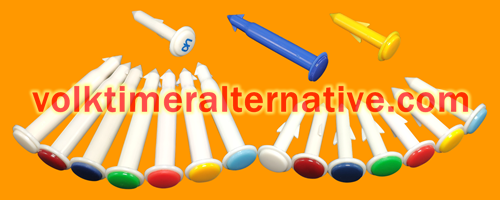
Understanding Pop-Up Doneness Indicators: How They Help Food Manufacturers Improve Cooking Consistency
Understanding Pop-Up Doneness Indicators: How They Help Food Manufacturers Improve Cooking Consistency
In commercial food production, consistency is one of the most important requirements. Manufacturers need reliable methods to indicate when products have reached the expected cooking condition.
A pop-up doneness indicator is one type of temperature-based indication solution used in food applications. It provides a simple visual signal when a specific internal temperature condition has been reached.
For many poultry processors, meat manufacturers, and prepared food companies, understanding how these indicators work helps improve product quality and production reliability.
What Is a Pop-Up Doneness Indicator?
A pop-up doneness indicator is a disposable temperature indication device designed to provide a visible indication when food reaches a predetermined temperature point.
In the food industry, terms such as:
- Pop-Up Timer
- Disposable Pop-Up Timer
- Pop-Up Temperature Indicator
- Pop-Up Meat Doneness Indicator
- Disposable Cooking Temperature Indicator
may describe related product applications depending on the industry, market, and customer terminology.
How Pop-Up Doneness Indicators Support Food Production
For consumers, doneness indicators provide a convenient cooking reference. For commercial food manufacturers, they support production consistency and product presentation.
Common applications include:
- Whole turkey products
- Poultry processing
- Frozen poultry meals
- Ready-to-cook products
- Commercial roasting applications
Why Food Manufacturers Use Temperature Indication Solutions
Large food companies manage thousands or millions of products. A consistent indication method can help reduce variation between production batches.
Important benefits include:
- Visual temperature confirmation
- Improved production consistency
- Better consumer confidence
- Simplified product instructions
- Support for different food applications
The Relationship Between Pop-Up Timers and Doneness Indicators
In many markets, the term “pop-up timer” is commonly used to describe disposable temperature indication products.
However, from an application perspective, many food professionals also refer to these products as doneness indicators because they provide an indication related to cooking completion.
For procurement teams, the important factors are not only terminology, but also:
- Product consistency
- Activation accuracy
- Material safety
- Manufacturing reliability
- Supply capability
Why Global Buyers Search for Pop-Up Doneness Indicator Suppliers
Food companies often need stable sources for disposable temperature indication products. A reliable supplier helps maintain production continuity and customer satisfaction.
Buyers may search for suppliers because they need:
- Alternative manufacturing sources
- Bulk production capability
- OEM customization
- Private label solutions
- Long-term supply partnerships
Important Factors When Selecting a Doneness Indicator Manufacturer
Specialized Manufacturing Experience
A manufacturer specializing in disposable pop-up timers develops deeper knowledge of product design, materials, and production control.
Temperature Performance
Consistent activation performance is important for food applications. Manufacturers should maintain strict production control to achieve reliable results.
Food-Grade Materials
Products used with food applications require appropriate material selection.
Important considerations include:
- Food-grade PA66 nylon housing and core
- BPA-free construction
- Food-extract based sensing wax
- Reliable metal spring mechanism
OEM Customization Capability
Different food brands may require different product specifications. Professional manufacturers may support:
- Custom activation temperatures
- Custom colors
- Logo solutions
- Retail packaging
- Bulk industrial packaging
Why Alternative Doneness Indicator Suppliers Matter
Many global food companies develop alternative suppliers as part of their supply chain strategy.
A qualified alternative manufacturer can help companies:
- Reduce supplier dependency
- Improve sourcing flexibility
- Support business expansion
- Maintain production continuity
Applications in Poultry and Meat Industries
Pop-up doneness indicators are especially relevant in industries where visual temperature indication supports cooking consistency.
Applications include:
- Turkey processors
- Poultry manufacturers
- Frozen food producers
- Prepared meal companies
- Food service suppliers
Frequently Asked Questions
What is a pop-up doneness indicator?
A pop-up doneness indicator is a disposable temperature indication device that provides a visible signal when a preset temperature condition is reached.
Are pop-up timers and doneness indicators the same?
They are closely related terms used in different markets. Both describe disposable temperature indication solutions used in food applications.
Who uses pop-up meat doneness indicators?
Food manufacturers, poultry processors, prepared food companies, and commercial food suppliers may use these products.
What should buyers consider when selecting a supplier?
Buyers should evaluate manufacturing experience, quality control, customization ability, and long-term supply capability.
Building a Stronger Food Temperature Indicator Supply Chain
As food manufacturers continue to improve production consistency, temperature indication products remain an important part of many applications.
Selecting a specialized and reliable manufacturing partner allows companies to develop stronger supply chains and support long-term business requirements.
Disclaimer: The term “pop up timer” is a general product category name widely used in the food industry. This website represents an independent disposable pop-up timer manufacturer from China. We are not affiliated with, authorized by, or connected to Volk Enterprises or any other brand, company, or trademark owner.