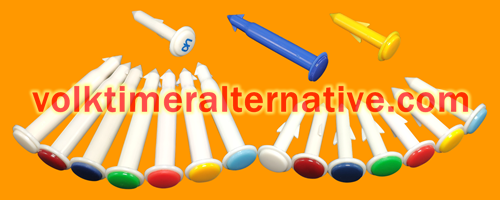
How Food Brands Can Build a More Flexible Supply Chain With Disposable Pop-Up Timer Alternatives
How Food Brands Can Build a More Flexible Supply Chain With Disposable Pop-Up Timer Alternatives
In today's global food industry, supply chain flexibility has become an important priority for manufacturers, distributors, and private label brands. Companies are no longer only focused on finding a product supplier. They are looking for reliable manufacturing partners that can support long-term business continuity.
For disposable pop-up timers used in poultry, turkey, and meat products, establishing alternative sourcing options can help food companies improve supply security, manage production risks, and respond more effectively to market changes.
This is why many professional buyers search for disposable pop-up timer alternative suppliers and direct manufacturers instead of depending on a single source.
Why Supplier Diversification Matters in the Food Industry
Modern food production depends on many connected suppliers. Even a small component shortage can affect production schedules, packaging operations, and delivery commitments.
Supplier diversification helps companies reduce risks related to:
- Unexpected production delays
- Seasonal demand changes
- Supply interruptions
- Limited customization options
- Changing market requirements
For companies producing large volumes of poultry and meat products, having qualified alternative suppliers is an important part of long-term planning.
Why Companies Look for Disposable Pop-Up Timer Alternatives
When companies search for alternative disposable pop-up timer suppliers, they are usually trying to solve specific business challenges.
Common reasons include:
- Creating a secondary supply source
- Improving purchasing flexibility
- Developing private label products
- Reducing dependence on one supplier
- Finding direct factory cooperation
The objective is not simply replacing one product with another. The objective is building a stronger and more resilient supply chain.
The Role of a Professional Alternative Manufacturer
A qualified alternative manufacturer provides more than production capacity. The supplier should understand the customer's industry, application requirements, and future growth plans.
Important capabilities include:
- Disposable pop-up timer manufacturing experience
- Stable quality control systems
- OEM customization ability
- International export experience
- Reliable bulk production capability
How Direct Factory Relationships Improve Supply Flexibility
Working directly with a manufacturer allows companies to establish clearer communication and better production planning.
Direct cooperation can improve:
Product Development Communication
Buyers can communicate directly about product requirements, temperature settings, packaging formats, and application needs.
Production Planning
Direct factory relationships provide better understanding of production schedules, capacity planning, and future order preparation.
Customization Support
Food brands often need solutions that match their specific market positioning. Manufacturers can support customized products more efficiently through direct cooperation.
What Food Companies Should Evaluate in an Alternative Supplier
Manufacturing Experience
A supplier's manufacturing background is one of the most important evaluation factors. Companies should understand whether the supplier specializes in disposable pop-up timer production.
Quality Consistency
Alternative suppliers must maintain stable performance across repeat orders.
Buyers should review:
- Temperature activation consistency
- Material standards
- Production inspection procedures
- Batch management
Production Capacity
A backup supplier only creates value if it can support real production requirements.
Important questions include:
- Can the factory support bulk orders?
- Can it handle seasonal demand?
- Can it maintain stable delivery schedules?
Why Poultry and Meat Companies Need Reliable Backup Sources
Poultry and meat industries often experience seasonal production changes, especially during major holidays and high-demand periods.
A reliable alternative supplier helps companies maintain:
- Production continuity
- Customer commitments
- Product availability
- Market responsiveness
Technical Considerations When Selecting Alternative Pop-Up Timers
Product compatibility and technical performance remain important when evaluating alternative suppliers.
Buyers should consider:
- Food-grade PA66 nylon components
- BPA-free material requirements
- Temperature indication performance
- Mechanical reliability
- Application suitability
Frequently Asked Questions
Why do food companies need disposable pop-up timer alternatives?
Companies often develop alternative suppliers to improve supply chain flexibility, reduce dependency risks, and maintain production stability.
What is a secondary supplier?
A secondary supplier is an additional qualified source that can support production when needed and provide greater supply flexibility.
Should companies choose alternative suppliers only based on price?
No. Professional buyers evaluate quality, production capability, communication, customization support, and long-term reliability.
Can disposable pop-up timer manufacturers support private label brands?
Yes. Specialized manufacturers can provide OEM solutions including customized temperatures, colors, logos, and packaging.
Building a Stronger Future Supply Strategy
In the modern food industry, successful companies do not wait for supply problems before searching for solutions. They build flexible supplier networks in advance.
For disposable pop-up timers and temperature indicators, working with specialized alternative manufacturers gives food companies greater control, improved flexibility, and stronger long-term supply confidence.
Disclaimer: The term “pop up timer” is a general product category name widely used in the food industry. This website represents an independent disposable pop-up timer manufacturer from China. We are not affiliated with, authorized by, or connected to Volk Enterprises or any other brand, company, or trademark owner.